NextCycling routes
NATURE
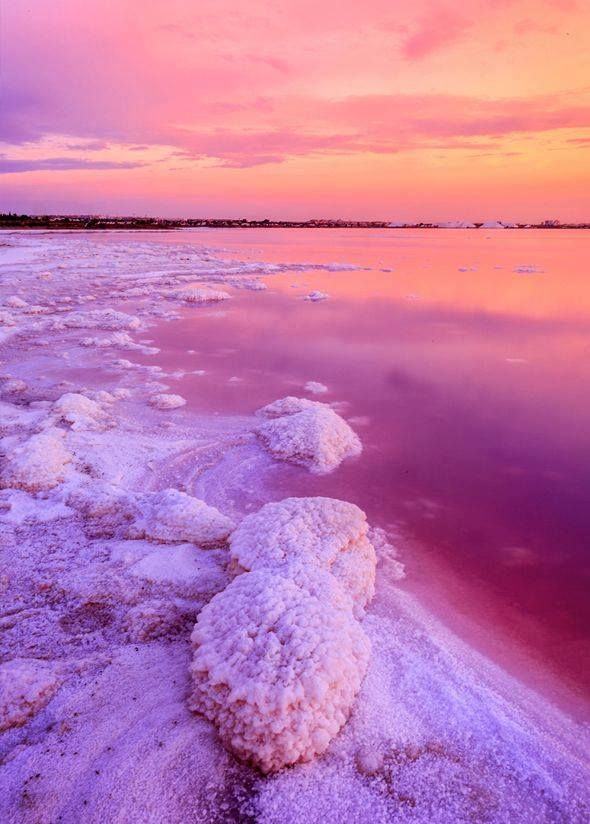
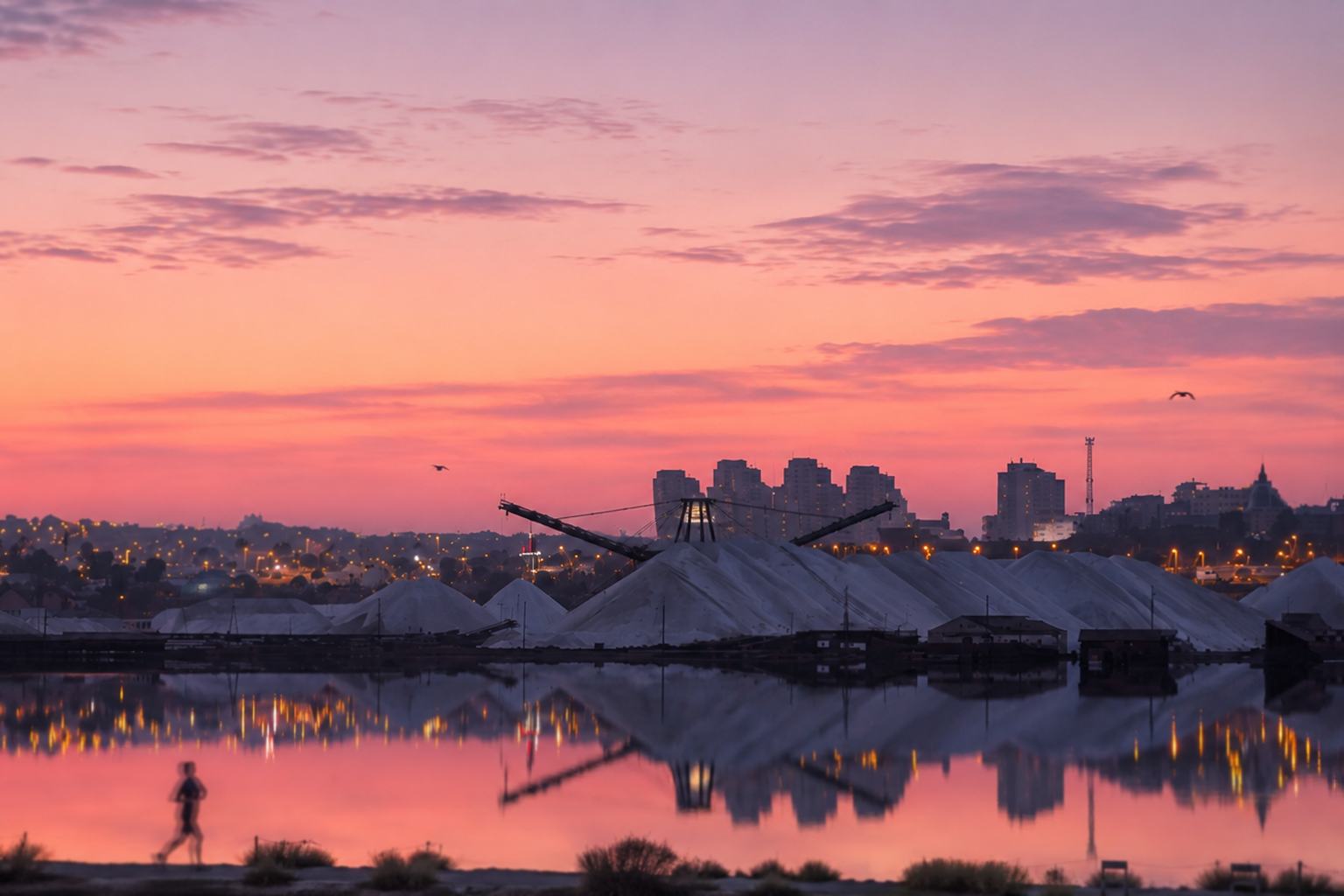
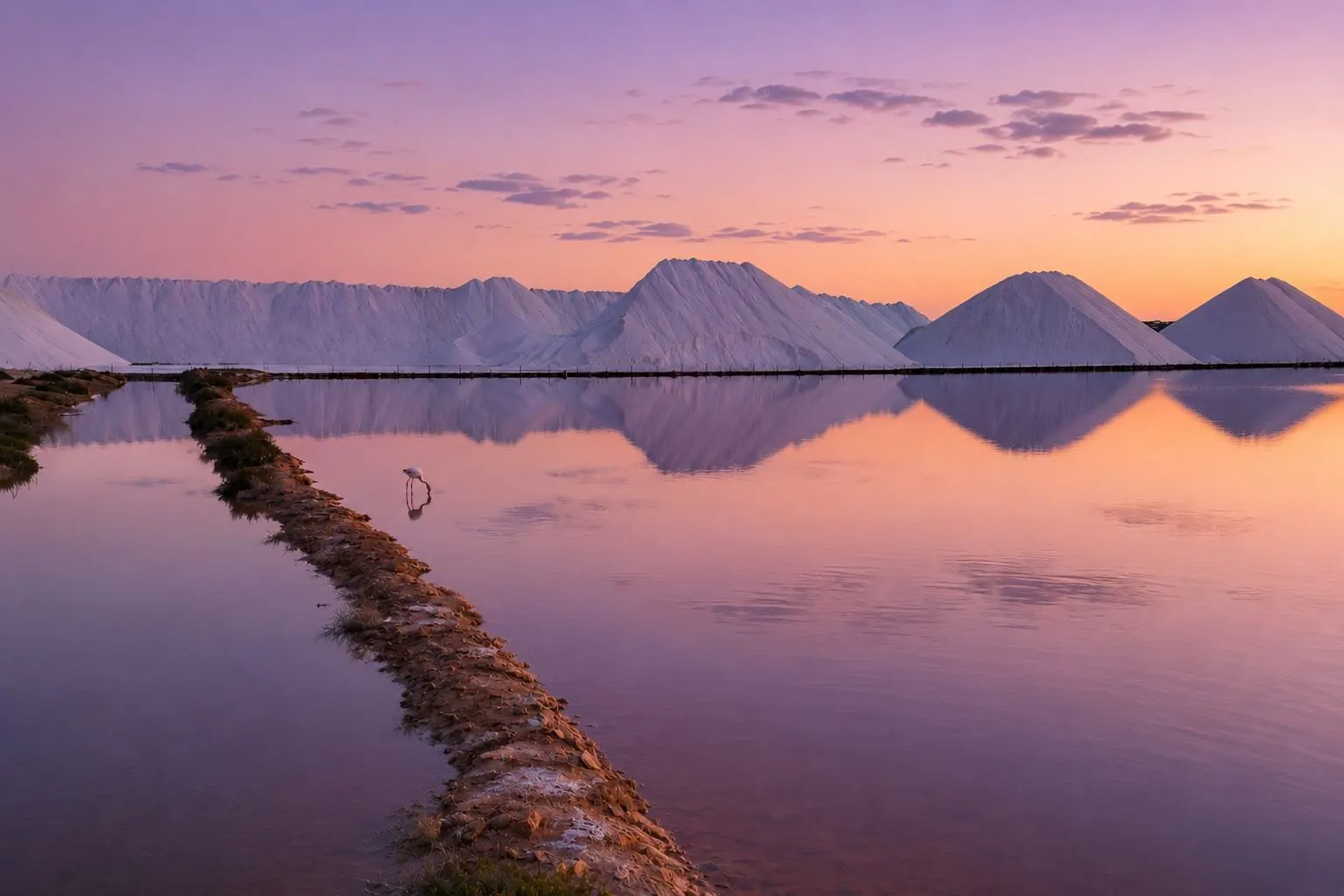
The pink lagoon of Torrevieja
The colour comes from three organisms that survive at 350 grams of salt per litre.
Check availability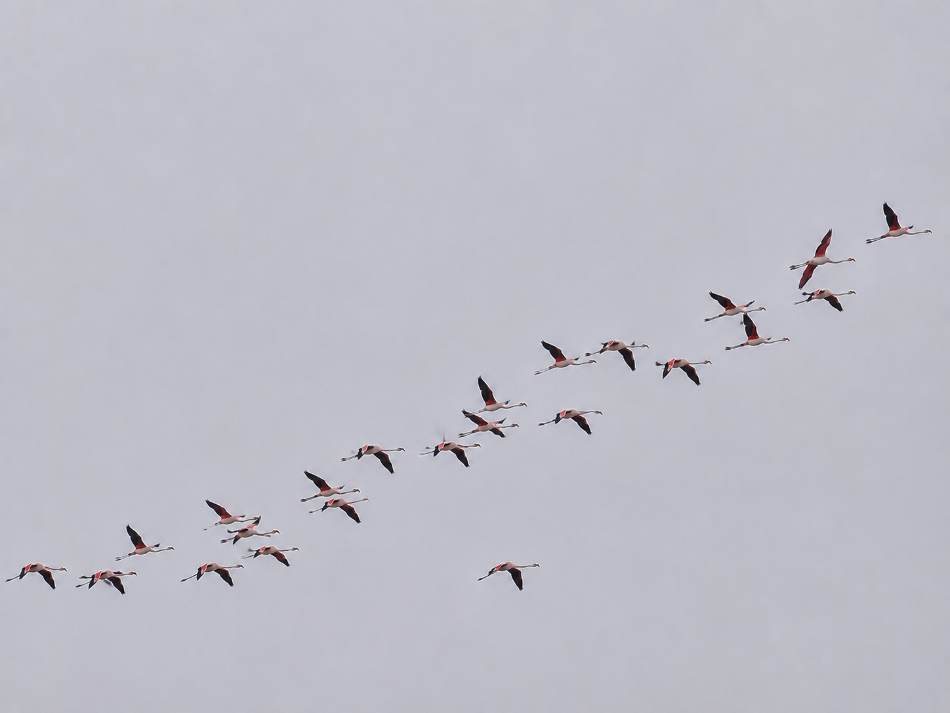
Why the water is pink
The Torrevieja lagoon has a salinity of around 350 g/L, roughly ten times that of the Mediterranean. Only three organisms survive at that concentration: halobacteria (purple membranes), the microalga Dunaliella salina (produces beta-carotene), and the brine shrimp Artemia salina, which feeds on both and takes on their colour.
Why flamingos are pink
They’re born grey. They get their colour from eating Artemia salina. That’s why captive flamingos without that diet look paler.
When the pink is most intense
| Late summer | Peak intensity |
| Winter | Pale pink |
| After heavy rain | Almost white |
Frequently asked questions
Why is it pink?
Because of three organisms that survive at 350 g of salt per litre.
When is the pink most vivid?
At the end of summer. In winter the tone is paler.
Can you swim there?
No. It’s banned for ecosystem conservation.
Are flamingos there year-round?
Their presence varies with migration patterns.
Is the colour natural or artificial?
It’s natural, produced by living organisms.
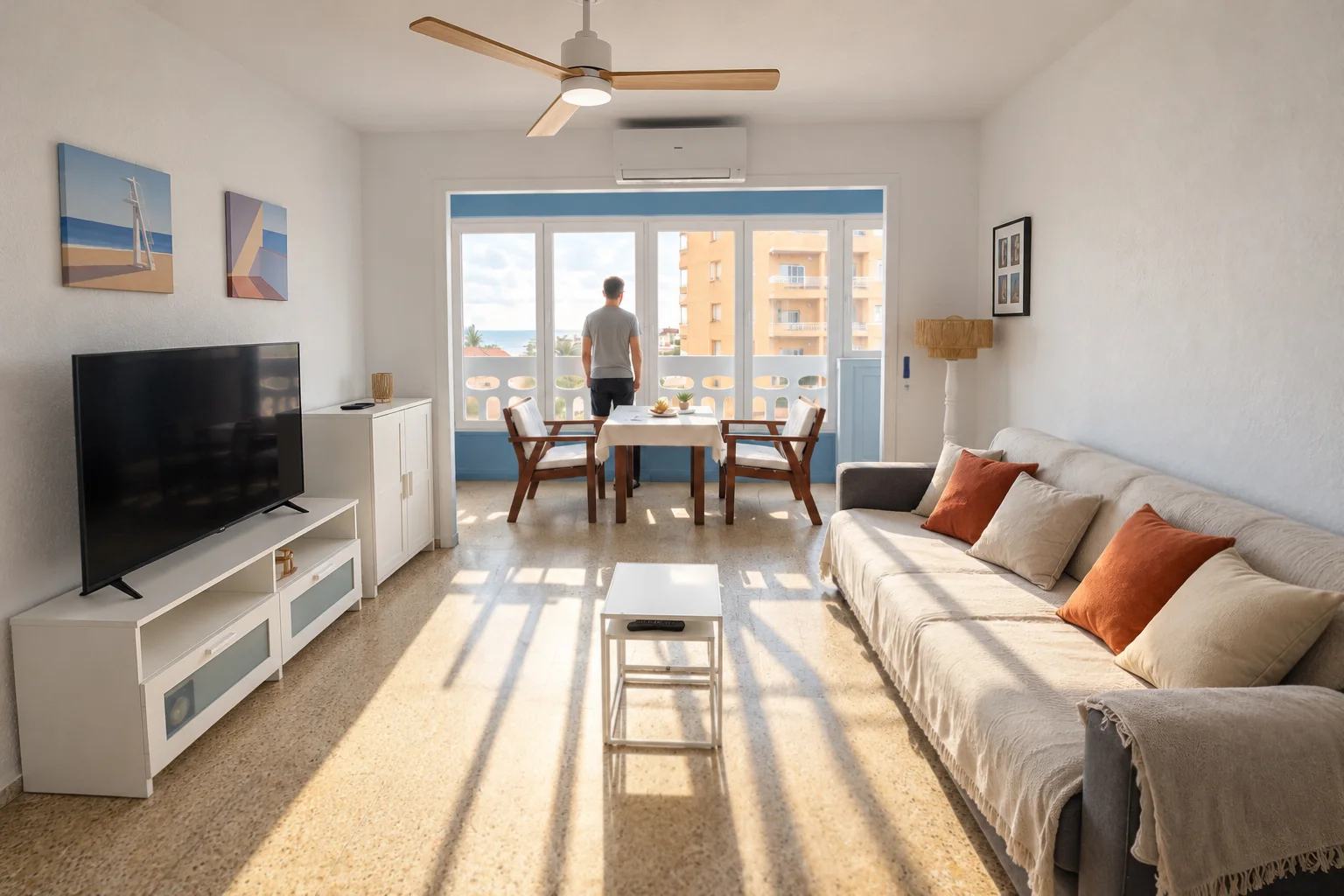
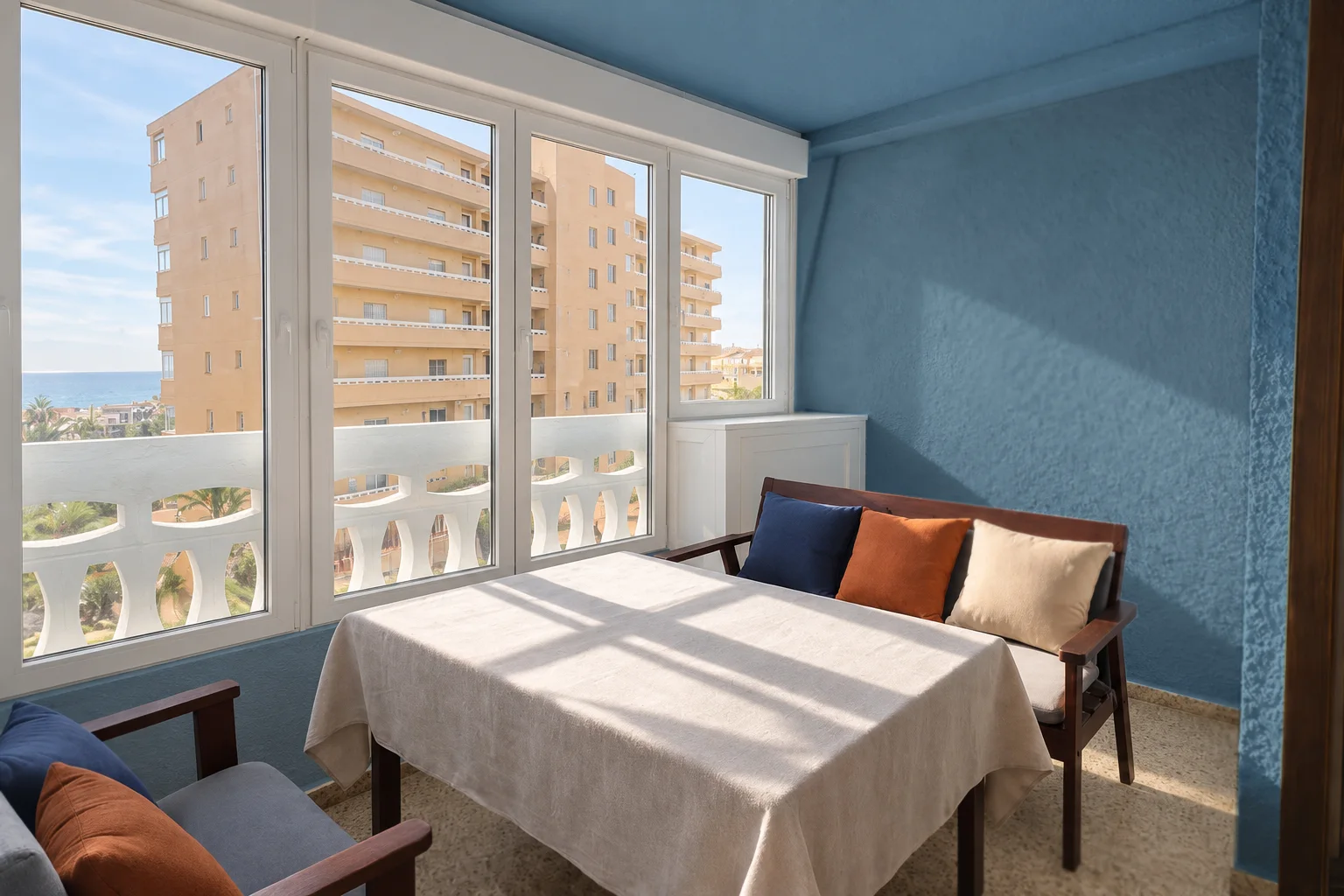
Apartment 3 km from the pink lagoon and 1.5 km from the Nature Reserve.
Check availability →KEEP EXPLORING